Technology Overview
Understanding how sodium-ion technology delivers superior performance, safety, and longevity for your vehicle.
How Sodium-Ion Technology Works
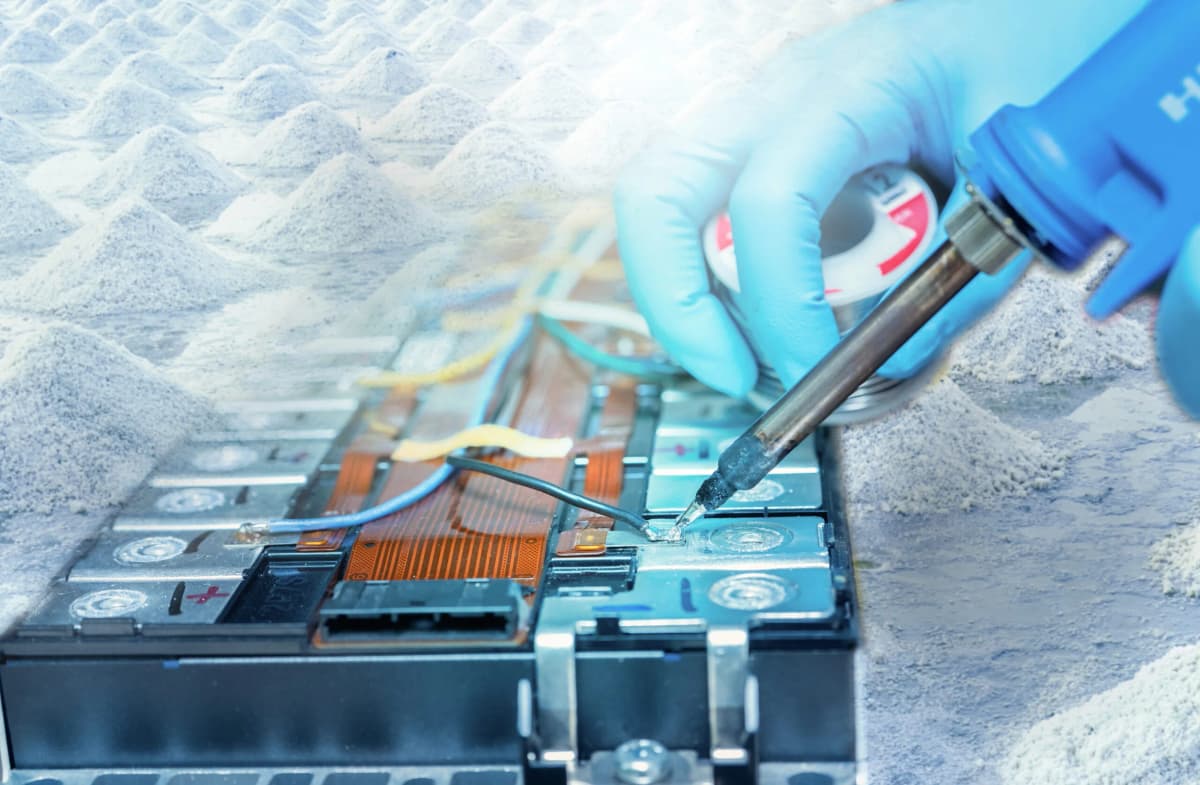
Sodium-ion batteries operate on the same fundamental principle as lithium-ion — ions move between cathode and anode during charge and discharge cycles. However, sodium offers unique advantages that make it ideal for automotive starter batteries.
Sodium is one of the most abundant elements on Earth, making it cost-stable and environmentally sustainable compared to lead or lithium. When combined with Aeson Power's optimised electrode chemistry, the result is a battery that outperforms conventional lead-acid in every measurable metric.
Our proprietary electrolyte formulation is specifically engineered for the Philippines' high-temperature, high-humidity tropical environment — delivering consistent cranking power whether it's 9 AM or 4 PM on a scorching afternoon.
Why Sodium-Ion Wins
A deeper look at the technical properties that give sodium-ion the edge over lead-acid in automotive applications.

Built-In Protection at Every Level
Unlike lead-acid batteries that release hydrogen gas during charging and contain corrosive sulphuric acid, sodium-ion batteries are completely sealed and spill-proof.
- No acid leak risk — sealed electrolyte design
- Built-in overcharge and short-circuit protection
- Thermal runaway resistant at operating temperatures
- No explosive gas emissions during charging
- Complies with international automotive safety standards
10× More Cycle Life
Sodium-ion chemistry avoids the sulphation problem that kills lead-acid batteries. The crystal structure remains stable across thousands of charge-discharge cycles, meaning your battery lasts far longer.
- 3,000+ cycle life vs 200–500 for lead-acid
- No sulphation degradation — stays strong longer
- Consistent capacity retention throughout service life
- Optimised for the Philippines' frequent short-trip driving

Greener by Design
Lead-acid batteries are one of the most recycled products on Earth — but also one of the most hazardous if improperly disposed of. Sodium-ion eliminates the lead content, dramatically reducing the environmental burden.
- Zero lead content — eliminates lead pollution risk
- Sodium sourced from abundant, low-impact materials
- Lower carbon footprint in production and logistics
- Extended lifespan reduces disposal frequency by 10×
Sodium-Ion vs Lead-Acid
A comprehensive technical comparison across every dimension that matters for automotive performance.
| Property | Sodium-Ion (Aeson Power) | Lead-Acid (Conventional) |
|---|---|---|
| Cycle Life | 3,000+ cycles | 200–500 cycles |
| Weight | 4–7 kg | 14–23 kg |
| Electrolyte | Sealed, non-spillable | Liquid sulphuric acid |
| Maintenance | Zero | Regular top-up required |
| Acid Leak Risk | None | High |
| Gas Emissions | None | Hydrogen gas |
| Thermal Stability | Excellent | Degrades in heat |
| Charge Retention | Superior | Self-discharges faster |
| Environmental Impact | Low — no lead | Lead pollution risk |
| Fuel Efficiency | +5% improvement | No benefit |
| Warranty Coverage | 30 Months | 12–18 months |
| Price Point | Premium (lower TCO) | Lower initial cost |
30+ Years of Battery Expertise
Aeson Power batteries are manufactured by partners with over 30 years of automotive battery production experience. Every unit undergoes rigorous quality testing before leaving the factory.
IATF 16949
Automotive Quality Management
ISO 14001
Environmental Management
ISO 45001
Occupational Health & Safety
Tropical Tuned
Engineered for Philippine climate